
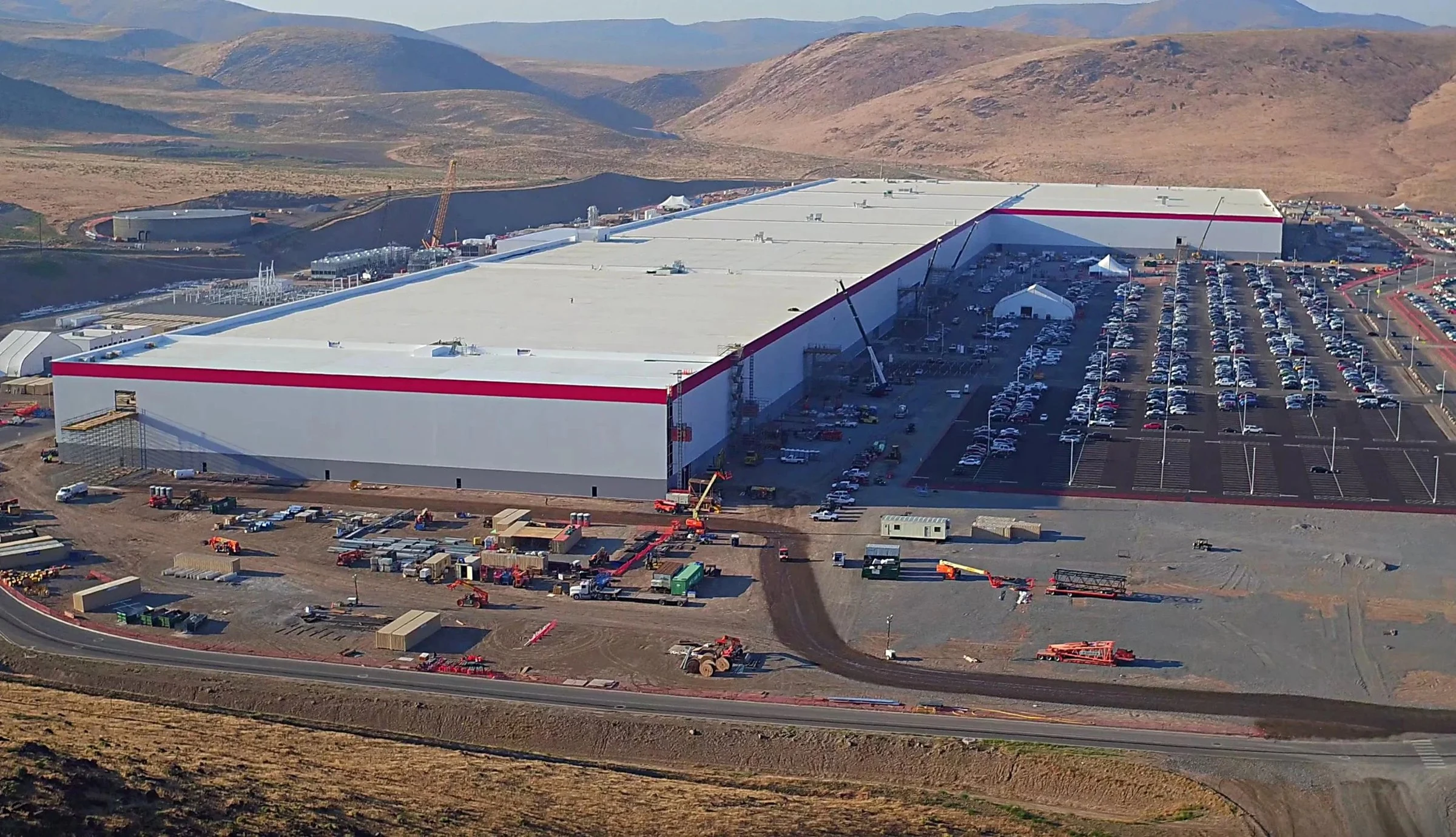
Roofing for Wood Products and Manufacturing Plants Around Eugene
Eugene's manufacturing base runs heavily on wood products, metal fabrication, and food processing, and their roofs, typically large single-span metal or membrane systems over production floors, face different demands than an office building: dust and residue buildup, rooftop equipment loads, and interior humidity pushing moisture up through the deck.
Production Dust and Residue Change How a Roof Ages
Sawdust, wood fines, and processing residue from Eugene-area wood products operations don't just settle on the ground, they drift onto low-slope roof surfaces and mix with rain to form a gritty paste that clogs drains and holds moisture against the membrane far longer than plain rainwater would. We factor residue type into how often a facility needs drain and roof-surface cleaning, because a plant running a planer or sawline needs a different maintenance interval than a warehouse next door.
Metal panel roofs over production areas see this differently. Residue buildup at panel seams and around penetrations is more of a corrosion accelerant than a drainage problem, so our inspection approach on standing seam and R-panel systems looks specifically at fastener and seam condition alongside general membrane wear.
Rooftop Equipment Loads on Working Plants
Manufacturing roofs carry more rooftop hardware than almost any other building type we work on, including dust collection systems, makeup air units, exhaust stacks, and conveyor penetrations. Every one of those is a potential leak point, and on an active production roof they're also obstacles that limit how we can stage material and equipment during a repair or reroof.
We map penetrations and equipment loads before scoping any roof work on a plant, because a curb or stack that was flashed correctly for the original roof system often needs a different detail when the roofing changes underneath it.
Interior Humidity Pushes Moisture Upward Through the Deck
Wood drying operations, food processing, and other Eugene manufacturing uses generate interior humidity that migrates up through the roof deck over time, especially on older buildings without a proper vapor retarder. This can degrade insulation and rot decking from underneath, well before any visible sign shows up on the roof surface itself.
When we're called for a leak on a manufacturing building we check for interior moisture sources as part of the diagnosis, alongside weather intrusion from above. The two often get confused, and treating an interior-humidity problem as a roof leak wastes a repair budget without fixing anything.
- Dust and residue buildup clogging drains and scuppers
- Rooftop equipment penetrations (dust collection, exhaust, conveyors)
- Interior humidity migration through the roof deck
- Fastener and seam corrosion on metal panel systems
- Ponding at low-slope sections behind parapet walls
- Membrane wear at maintenance access paths to rooftop units
Minimal-Downtime Scheduling for Running Plants
A production line doesn't stop for a roof crew. We plan tear-off and mechanical fastening work in sections that keep the line running underneath, coordinate noisy work with plant shift schedules, and keep the roof dried-in at the end of every work day so a surprise overnight rain doesn't shut down a production floor the next morning.
For plants running multiple shifts we schedule the loudest phases of a job, tear-off and deck fastening, around whichever shift has the lowest tolerance for disruption, and we walk the sequence with a plant supervisor before mobilizing so nobody on the floor is surprised by crew movement overhead.
Documentation for Plant Managers and Ownership
Manufacturing roof decisions usually go through a plant manager first and ownership or a regional facilities group second. We write inspection findings so both audiences can use them, specific enough for a plant manager to act on immediately, clear enough for a capital request to a regional office without a follow-up call to translate it.
On plants with insured equipment directly below the roof deck, such as kiln controls or packaging lines, we flag those zones separately in our reports so a plant manager can weigh roof risk against the cost of equipment downtime, beyond membrane condition on its own.
Manufacturing Roofing Questions We Get in Eugene
Does dust or wood residue actually damage a roof membrane?
It doesn't degrade the membrane material itself as fast as it clogs drainage. Residue mixed with rain forms a paste that holds water against seams and around drains, which is what accelerates wear, not the residue on its own.
Can you schedule roof work without shutting down our production line?
In most cases, yes. We section the work, coordinate with your shift schedule for the noisiest tasks, and keep the roof dried-in overnight so operations underneath aren't exposed to weather risk.
What roof systems hold up best on wood products plants?
It depends on the roof's slope, existing structure, and dust exposure. We've specified TPO, modified bitumen, and metal panel systems on different plants depending on what the building and its operations actually need, not a single default.
How do you tell if a leak is roof intrusion or interior humidity?
We look at where moisture shows up relative to insulation and deck condition, check for vapor retarder presence, and compare against interior process sources like drying or washdown areas before assuming the roof surface itself is the entry point.
Who do you send inspection reports to on a multi-site operation?
Whoever you need, whether that's a plant manager, a regional facilities contact, or both. We write findings so they're usable at either level without extra explanation.