
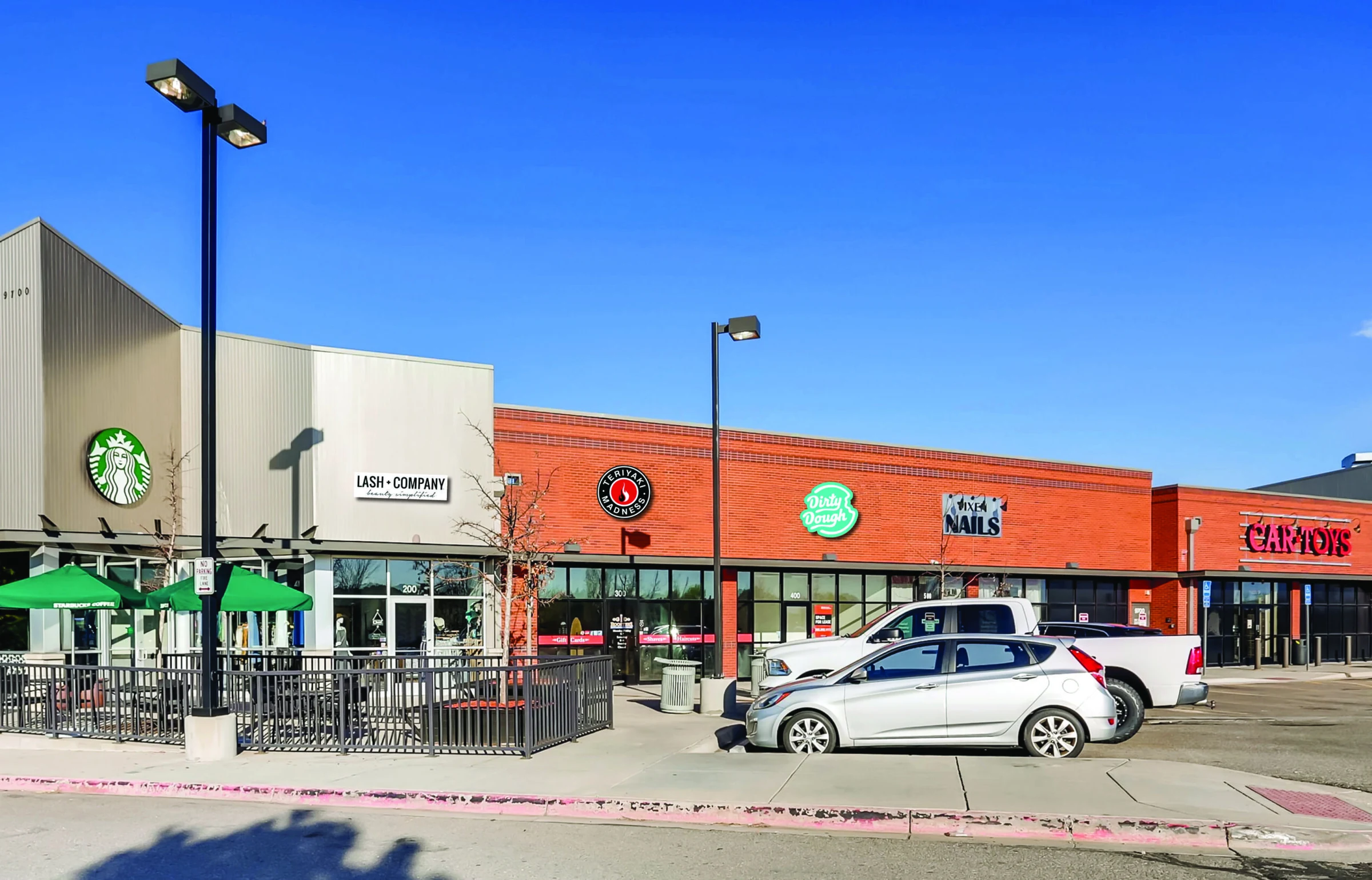
Multi-Site Roofing for Retail Operators in the Eugene Market
Retail chains operating multiple Eugene locations, along Highway 99, Coburg Road, near the Gateway area, and in strip centers throughout the valley, need roof maintenance that doesn't disrupt business hours and reporting that rolls up across every site the same way.
Business Hours Don't Stop for Roof Work
A retail location losing sales hours to roof work is a cost most operators won't accept without a fight, and we don't ask them to. We schedule inspections, repairs, and even most reroofing work around store hours, coordinating with store managers on the least disruptive access windows and keeping noise-heavy work outside peak customer traffic times wherever the roof layout allows it.
For strip center and multi-tenant retail roofs, this also means coordinating with neighboring tenants who share the same roof structure, so one store's roof work doesn't become another store's disruption.
Consistent Reporting Across Multiple Service Areas
A retail operator running several Eugene-area sites needs inspection reports that read the same way from one location to the next, so a regional facilities contact can compare roofs and prioritize budget without decoding a different format for every site. We standardize inspection documentation across a chain's locations, using the same categories, same photo standards, and same condition scoring, so comparisons are actually apples to apples.
That consistency also makes it easier to spot patterns across a chain's Eugene footprint, whether that's several locations sharing a roof age and system that's approaching the same replacement window, or one site consistently underperforming its peers.
For operators who lease rather than own their locations, we format reports so they're also useful in a landlord conversation about roof maintenance responsibility, since lease terms often split that obligation in ways a tenant's facilities contact needs documented clearly.
Snow and Ice Aren't the Risk Here, Standing Water Is
Retail roofs in this market don't deal with the freeze-thaw cycles operators in colder regions worry about. The bigger risk on Eugene's flat retail roofs is prolonged standing water from the length of the rainy season combined with drains that weren't sized or maintained for the volume of rainfall this valley actually gets. We check drainage capacity as a standard part of every retail inspection, alongside membrane surface condition.
Strip center roofs built decades ago were often designed to a drainage standard that assumed shorter, less frequent rain events than what actually falls here through the winter months, so we look at whether original drain sizing still matches current conditions rather than assuming it does.
- Scheduling around store hours and peak traffic times
- Standardized inspection reporting across multiple sites
- Drainage capacity checks on flat retail roofs
- Coordination with neighboring tenants on shared strip-center roofs
- Fast-response leak calls to protect merchandise and sales floor
- Regional-contact reporting for multi-location roll-up
Fast Turnaround on Leak Calls to Protect Inventory and Sales Floor
A leak over merchandise or a sales floor creates liability and inventory-loss exposure fast, and retail operators generally want a contractor who can respond same-day, not next week. We prioritize active leak calls from retail locations and document cause and extent immediately, giving store or regional management what they need for both the repair authorization and any inventory-related insurance question.
For chains with a regional facilities contact rather than an on-site manager authorized to approve repairs, we keep communication moving fast enough that a leak call doesn't sit waiting on an approval chain while water keeps coming in, including phone and photo documentation the regional contact can act on without needing to be physically on-site.
Recover and Overlay Options for Older Strip Center Roofs
A lot of retail roofing along Eugene's older commercial corridors is aging membrane that's still structurally sound. Where the roof deck and insulation support it, we scope recover or overlay options that extend service life at a lower cost than full tear-off, which matters for operators managing capital budgets across a whole chain of locations rather than one building at a time.
We're direct about when a recover option isn't the right call, too. If the existing deck or insulation has already failed underneath a worn membrane, patching over it just delays a bigger problem, and we'd rather tell an operator that upfront than sell a cheaper option that doesn't hold. A short-term save that turns into a mid-lease emergency replacement costs an operator more in the end than the honest answer up front.
Multi-Site Retail Operator Questions
Can you handle inspections across multiple Eugene locations on a consistent schedule?
Yes, we can set up a standing inspection cycle across a chain's Eugene sites with consistent reporting formats for regional comparison.
Do you work around store hours for repairs?
Yes, in almost every case we can schedule repair and even reroofing work to avoid disrupting business hours, especially for contained repair scopes.
How fast can you respond to a leak over our sales floor?
We treat active leaks over merchandise or sales areas as a priority call and aim to get on-site the same day to assess cause and extent.
What's the biggest roofing risk for flat retail roofs in this market?
Standing water from undersized or poorly maintained drainage during the long rainy season, more than any freeze-thaw or hail risk you'd see in other regions.
Do you offer recover or overlay options instead of full replacement?
Where the roof deck and insulation condition support it, yes. We scope those options specifically for operators trying to extend service life across a multi-site budget.