
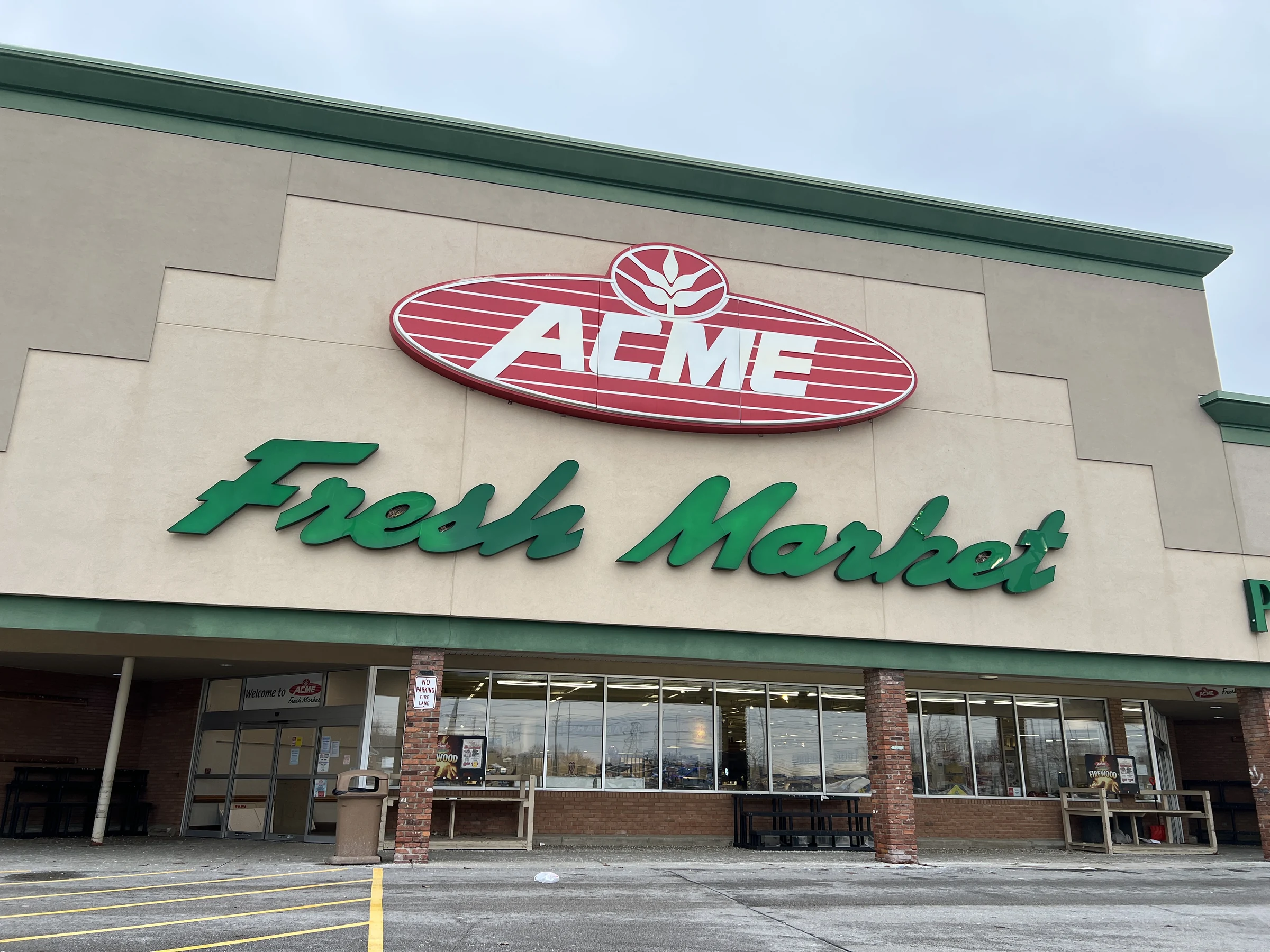
Roofing for Grocery Stores in Eugene
A grocery store roof carries a refrigeration and mechanical load that most retail buildings never see, and it protects a business that can't close for the length of time a typical reroof would take on a building this size. We roof grocery and anchor retail buildings around Eugene with that combination front of mind: heavy rooftop equipment, a store that has to stay open, and a large flat deck that has to move a lot of water during a wet Willamette Valley winter without ever letting it near the refrigeration and produce sections below.
Refrigeration Curb Density and Condensate Drainage
Grocery stores run more rooftop refrigeration equipment than almost any other retail building type, tied to walk-in coolers, freezer cases, and deli or bakery equipment. Each condensing unit sits on its own curb, and each curb is a potential leak point if the flashing wasn't detailed correctly or has degraded over time. We treat refrigeration curbs as priority inspection points on every grocery roof, because a leak near this equipment doesn't just damage the roof deck, it risks the mechanical systems keeping food product at safe temperature below.
Condensate lines running across the roof to a drain also need their own attention. A disconnected or poorly routed condensate line can dump water onto the membrane in a concentrated spot rather than into the drainage system where it belongs, creating a wear pattern that looks like a membrane defect but actually traces back to misrouted equipment drainage.
Keeping the Store Open During Roof Work
A grocery store generally can't shut down for a multi-week reroof, so we phase work in sections, coordinating with store management on which departments sit under which part of the roof and sequencing accordingly. Refrigeration and freezer sections get priority scheduling consideration, since those are the areas where any disruption to the roof above carries the most operational risk. Produce and deli sections, which tend to be more sensitive to any water intrusion given the product on display, get similar attention.
Large Flat Roof Drainage Design
Grocery anchor buildings are typically among the largest flat roofs in a retail center, and drainage has to be engineered for that scale rather than assumed adequate because the roof looks flat and even. Nine wet months of rain means any undersized drain or poorly placed low point gets tested constantly, not occasionally, and standing water near a refrigeration curb is a worse problem here than it would be on a roof with lighter equipment loads.
- Refrigeration and freezer condensing unit curb flashing condition
- Condensate line routing to confirm proper drainage rather than membrane discharge
- Drain capacity relative to total roof area on large anchor-store footprints
- Membrane condition beneath and around dense mechanical equipment clusters
- Loading dock canopy and receiving area roof transitions
- Rooftop screen and equipment access walkway condition
Emergency Response Given Perishable Inventory
A roof leak over refrigeration or dry goods storage at a grocery store is a direct threat to inventory that can spoil or become unsellable within hours, well beyond the usual facility-repair concern. We prioritize grocery leak calls accordingly and move fast to stabilize the source, particularly anything affecting refrigeration equipment or product on the sales floor, before moving to a permanent repair plan.
Loading Dock and Receiving Area Roof Transitions
The receiving side of a grocery store usually has a different roof configuration than the sales floor, often with a lower canopy roof over the dock and a transition point back up to the main roof deck. These transitions see heavy truck traffic and vibration below, and we check them separately from the main field membrane because they wear differently and fail differently than the rest of the roof.
Pallet jack and delivery truck traffic near the dock also means more rooftop equipment gets bumped, shifted, or damaged in this zone than anywhere else on a grocery building, particularly ladder access points and low-hanging conduit runs. We note any physical damage to curbs or equipment mounts near receiving during every inspection, since a knocked-loose flashing detail here is easy to miss from ground level but shows up quickly as a leak once the next hard rain moves through.
Documentation for Insurance and Corporate Facilities Teams
Grocery chains and independent grocers alike typically answer to a corporate facilities team or an insurance policy with specific maintenance documentation requirements. We provide written inspection and repair records with photos that fit into that kind of reporting structure, giving a facilities manager something to submit up the chain without having to translate a vague verbal summary into a formal report themselves.
Common Questions About Grocery Store Roofing
Can you work on our roof without closing the store?
Yes, we phase work by section and coordinate with store management on department layout so the store stays open throughout most projects.
How do you handle leaks near refrigeration equipment?
These get priority response given the risk to product and mechanical systems. We stabilize the leak first and confirm the refrigeration equipment isn't compromised before moving to permanent repair.
Do you check condensate line routing during inspections?
Yes, misrouted condensate discharge is a common source of concentrated wear that can be mistaken for a membrane defect, so we trace these lines as part of a standard inspection.
Can your documentation be submitted to a corporate facilities team?
Yes, we provide written inspection and repair records with photos formatted clearly enough to fit into a corporate or insurance reporting requirement.
How quickly can you respond to a leak affecting perishable inventory?
We treat these as urgent calls and prioritize stabilizing the source given how quickly refrigerated or dry goods inventory can be affected by water intrusion.