
Building the Paper Trail Adjusters Actually Need
An insurance claim on a commercial roof lives or dies on documentation. Adjusters need dated photos, a clear description of the damage and its likely cause, and evidence that ties the condition back to a specific event rather than gradual wear. We build that record as a matter of routine on every damage call, whether or not a claim is filed right away. For a broader look at how we approach a commercial roof insurance claim from first inspection through scope writeup, see our claims overview.
What We Document Before Any Repair Begins
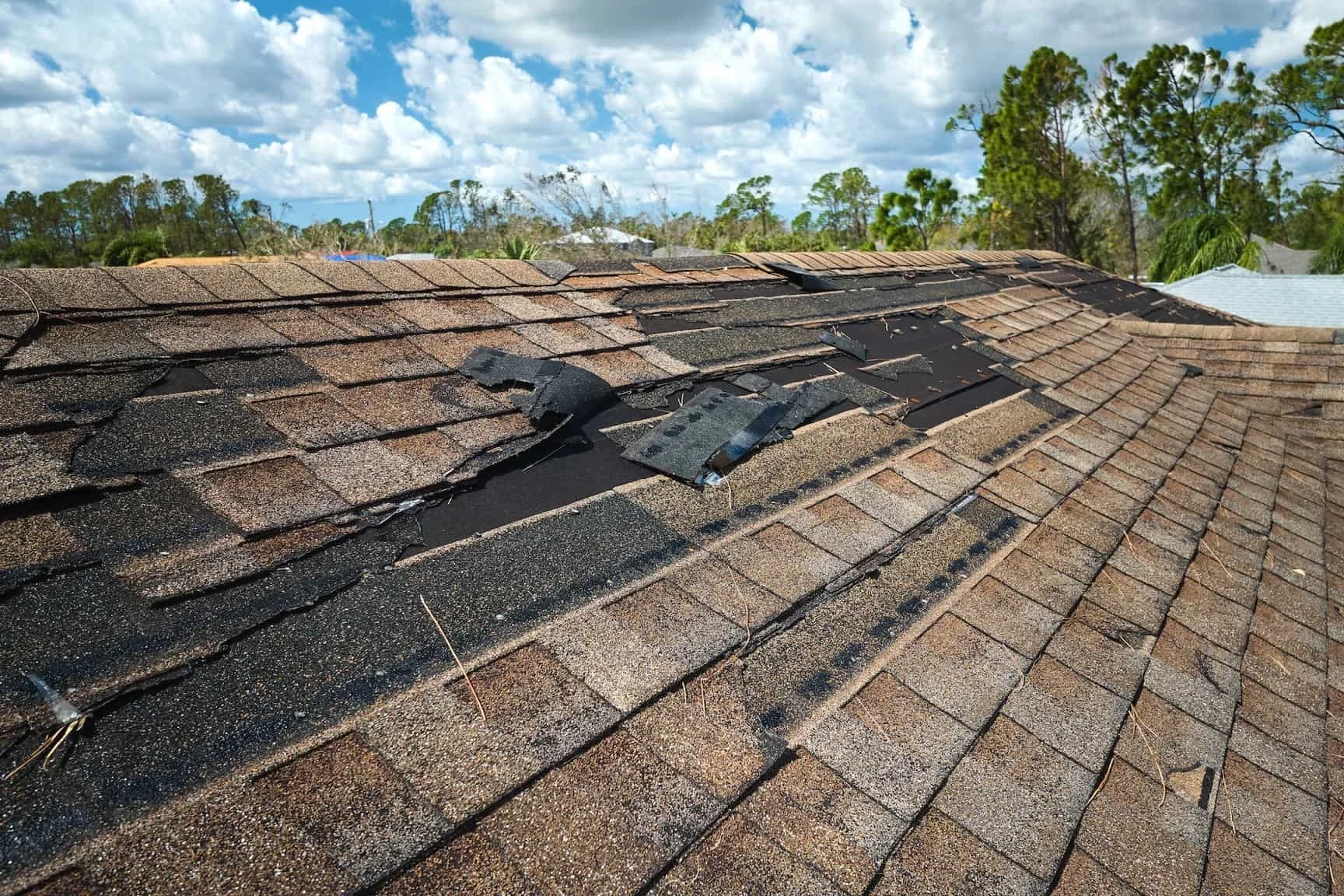
Before anyone touches the roof, we photograph the damage from multiple angles, note the location relative to fixed reference points like drains or rooftop equipment, and record conditions like standing water or debris that might be relevant to how the damage occurred. If interior damage is visible and we have access, we photograph that too. This happens before repair work starts, since covering or removing damaged material without a record makes the claim harder to support later.
Photo and Moisture Evidence That Holds Up
Photos alone sometimes aren't enough for an adjuster to understand the extent of hidden damage, particularly moisture that's traveled under a membrane or into insulation without a visible surface sign. We use moisture readings and, where warranted, core cuts to show the actual extent of water intrusion, documented with the same care as the visible damage. This is especially relevant on older built-up roofs where saturation can extend well beyond what's apparent from the surface.
We date-stamp everything and keep it organized by roof section, since a scattered set of photos without clear reference points is harder for an adjuster to use than a smaller, well-organized set tied to specific drains, curbs, or wall lines. Organization matters as much as volume for evidence an adjuster can actually work with efficiently.
Working Alongside Adjusters Without Overpromising
We work directly with adjusters when a property owner wants us involved in that process, walking the roof with them and answering technical questions about the damage and likely repair scope. What we don't do is promise a particular claim outcome or tell a client what an adjuster will decide. Coverage decisions belong to the insurer, and any commercial roofer telling a client otherwise is setting up a conversation they can't actually deliver on. Our role is to provide an accurate, well-documented technical picture of the roof's condition.
We've found this approach holds up better over time than one built on promises. A client who understands upfront that we're documenting facts rather than negotiating outcomes tends to have a clearer, less frustrating experience with the claims process, even when the result isn't exactly what they hoped for.
The type of documentation we prioritize shifts with the peril. A wind or storm event calls for a close look at edge metal, seams, and rooftop unit curbs, while a snow or ice event puts the focus on drains, scuppers, and any refreeze at the parapets. We tailor the inspection to the event rather than running a generic checklist.
Scope Writeups for Manufacturing and Healthcare Facilities
Claims involving manufacturing and healthcare facilities often carry added complexity, since business interruption and equipment protection considerations sit alongside the roof repair itself. We write scopes that describe the roof damage and repair plan clearly enough for an adjuster or facilities engineer unfamiliar with the specific building to understand what's being proposed and why, rather than using shorthand that only makes sense to someone who already walked the roof with us.
Records We Keep After the Repair Is Done
Once a repair is complete, we keep the documentation on file, including before and after photos, materials used, and any moisture or core cut data collected during the process. If a property changes hands, if a related issue comes up in a future season, or if a claim needs to be revisited, that record is available rather than having to be reconstructed from memory. We've found this matters most on buildings with a history of prior damage, where an insurer or new owner wants to understand what's already been addressed.
We also keep a running log across multiple claims on the same property when that applies. A building that's had two or three storm-related repairs over several years benefits from a consistent documentation approach across all of them, since an adjuster reviewing a new claim can see how prior damage was assessed and repaired rather than starting from zero each time.
- Dated photos of damage from multiple angles before repair begins
- Moisture readings and core cut data for hidden saturation
- Reference points tied to fixed roof features like drains or curbs
- Scope writeups clear enough for someone unfamiliar with the building
- Before and after photo sets for completed repairs
- Retained records available for future claims or ownership changes
Documentation Questions
Do you file the insurance claim for me?
No, filing the claim is between you and your insurer. We provide the technical documentation and scope writeup that supports the claim and can walk the roof with your adjuster if you'd like us involved.
Can you guarantee my claim will be approved?
No, and any roofer who tells you that isn't being straight with you. Coverage decisions are the insurer's call. What we provide is accurate, well-documented evidence of the roof's condition and the cause of damage as we assess it.
How soon after damage should documentation start?
As soon as possible, ideally before any repair work begins. Photos and moisture data collected before the area is covered or repaired are more useful to an adjuster than a description reconstructed afterward.
Will you work directly with my insurance adjuster?
Yes, when a client wants us involved. We'll walk the roof with the adjuster and answer technical questions about the damage and proposed repair scope.
Do you keep records after the claim is closed?
Yes. We retain photo documentation, materials used, and moisture data on file, which is useful if a related issue comes up later or the property changes ownership.