
Repairing Roofs After Willamette Valley Wind and Ice Events
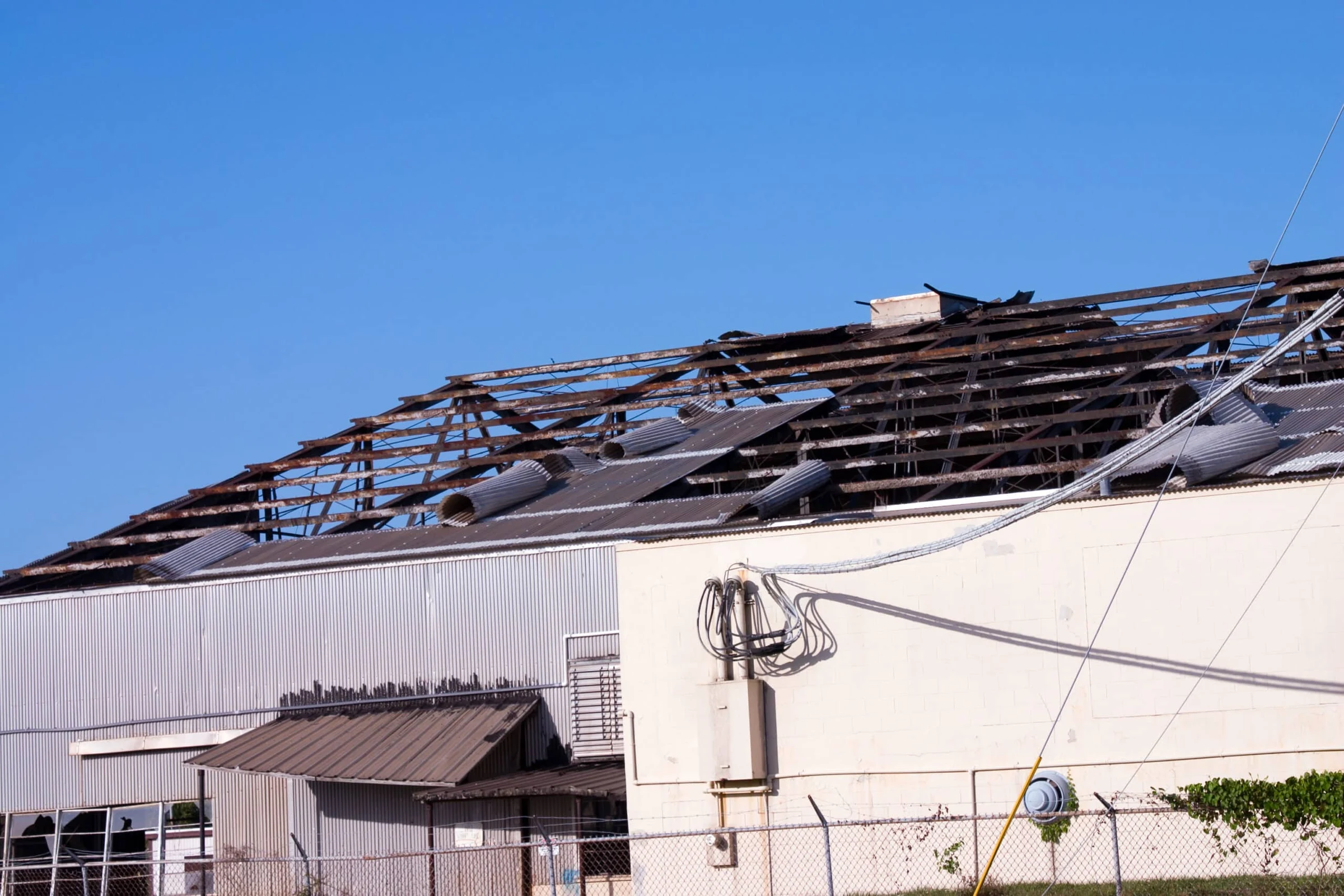
Storm damage here doesn't look like what a roofer in the Midwest or Gulf Coast deals with. There's no hail season and no hurricanes to plan around. What comes through the Willamette Valley instead is Pacific windstorms in late fall and winter, occasional ice events, and the fallen limbs that come with both. Repair work follows that pattern.
The Storm Pattern That Damages Eugene Roofs
The storms that do the most damage locally are wind events moving in off the Pacific, usually strongest from November through February, combined with saturated ground that makes trees more likely to come down under gusts. Ice storms are less frequent but hit hard when they happen, typically in December or January, coating roof edges, coping, and rooftop equipment in a layer that adds weight and stresses joints as it thaws and refreezes.
We watch these patterns because they drive very different repair scopes. Wind damage tends to concentrate at edges and penetrations. Ice damage shows up more at seams and mechanical connections where expansion and contraction stress a joint over repeated freeze-thaw cycles.
Wind Damage to Membrane Edges and Coping
Sustained wind gets under a membrane edge that's lifted even slightly and can peel back a section fast once it starts. Coping caps and edge metal that weren't fully secured take the brunt of this, and we check those details first on any wind-damage call. A membrane that looks fine across the field but has a lifted or missing section of edge metal is often the difference between a roof that rode out the storm and one that didn't.
Ice Storm Damage to Drains and Parapets
When an ice storm moves through, drains and scuppers can freeze solid, which backs up meltwater once temperatures rise and forces it to find another path off the roof. Parapet walls and coping seams take on stress as ice forms, expands, and then thaws, sometimes prying joints open that were sound before the event. We inspect drainage points and parapet seams specifically after any ice event, since that damage isn't always visible from ground level or even from a quick roof walk.
Fallen Limbs and Debris From Mature Fir and Oak Trees
A lot of commercial properties around Eugene sit near mature Douglas fir, oak, and bigleaf maple trees, and windstorms bring limbs down onto roofs with some regularity. A large limb can puncture a membrane outright or crush a section of insulation without breaking through, which is a repair that's easy to underestimate from the ground. We check the deck and insulation under any impact point rather than assuming the visible membrane surface tells the whole story.
Wind can also carry lighter debris, gravel, branches, siding fragments from neighboring buildings, across a roof and lodge it against drains or in roof valleys. That debris load compounds the storm's direct damage by blocking drainage right when the roof needs it most, during and immediately after the event. We clear it as part of the storm response rather than leaving it for a separate visit.
Documentation for Storm Damage Claims
We photograph storm damage as we find it, before any repair work begins, and note the likely cause, whether that's wind uplift, ice-related stress, or impact damage from debris. We describe what we observe factually and don't promise a particular claim outcome, since that decision sits with the insurer and adjuster, not with us. What we can guarantee is a clear, dated record of the damage and the repair performed.
We separate storm-caused damage from pre-existing wear as clearly as we can in that documentation, since conflating the two is one of the more common reasons a claim runs into trouble. If a roof had a slow leak before the storm and the storm made it worse, we describe both conditions honestly rather than attributing everything to the event.
- Lifted or missing edge metal and coping after wind events
- Frozen or backed-up drains following an ice storm
- Parapet and coping seam stress from freeze-thaw cycling
- Punctures or crushed insulation from fallen limbs
- Membrane sections peeled back starting at a lifted edge
- Damage found under debris that wasn't visible until it was cleared
Storm Damage Questions
Does Eugene get hail or hurricane damage?
No. The relevant storm risks here are wind events, occasional ice storms, and the fallen limbs and debris that come with both, not hail or hurricanes.
How soon after a storm should the roof be checked?
As soon as it's safe to get on the roof. Wind and ice damage aren't always visible from the ground, and catching a lifted edge or a frozen drain early prevents a larger problem.
Will you help with my insurance claim after storm damage?
We document the damage with photos and a factual description of what we find and believe caused it. We support the documentation process but don't make promises about how a claim will be decided.
Can a fallen limb damage a roof without visibly puncturing it?
Yes. Impact can crush insulation or stress a seam without breaking the membrane surface. We check underneath any impact point rather than assuming no puncture means no damage.
How does ice storm damage differ from wind damage?
Wind tends to damage edges and lifted membrane sections. Ice stresses seams, drains, and parapet joints through freeze-thaw cycling, which often shows up in different spots than wind damage does.